Frequently Asked Questions

-
The Alexander Technique is a time-tested educational method, developed by F.M. Alexander, (1869-1955). Mr. Alexander was a Shakespearean actor who suffered from breathing and vocal difficulties while performing on stage. He cured himself of the bodily tension patterns that plagued him. He went on to develop a method of neuromuscular education that teaches how to recognize and change habitual patterns of tension and movement that may be causing pain, poor posture, or reduced performance. The Alexander Technique is not an exercise regime or a passive treatment — it is an active process of re-education that helps you become more aware of how you move, sit, stand, and respond to stress in everyday life.
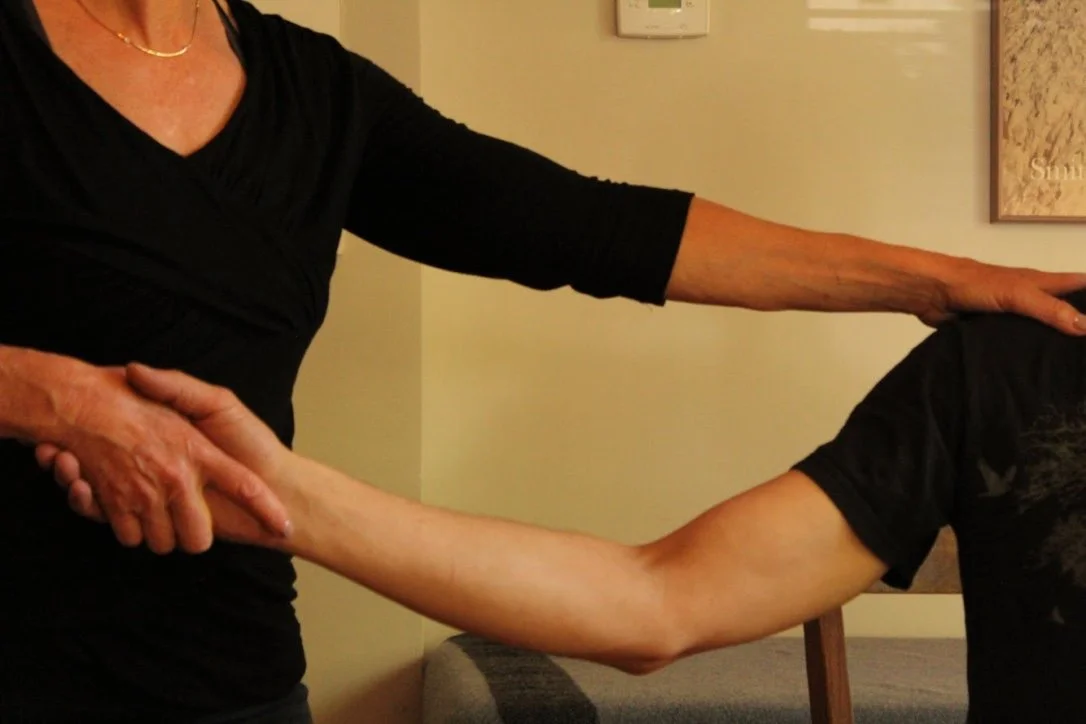
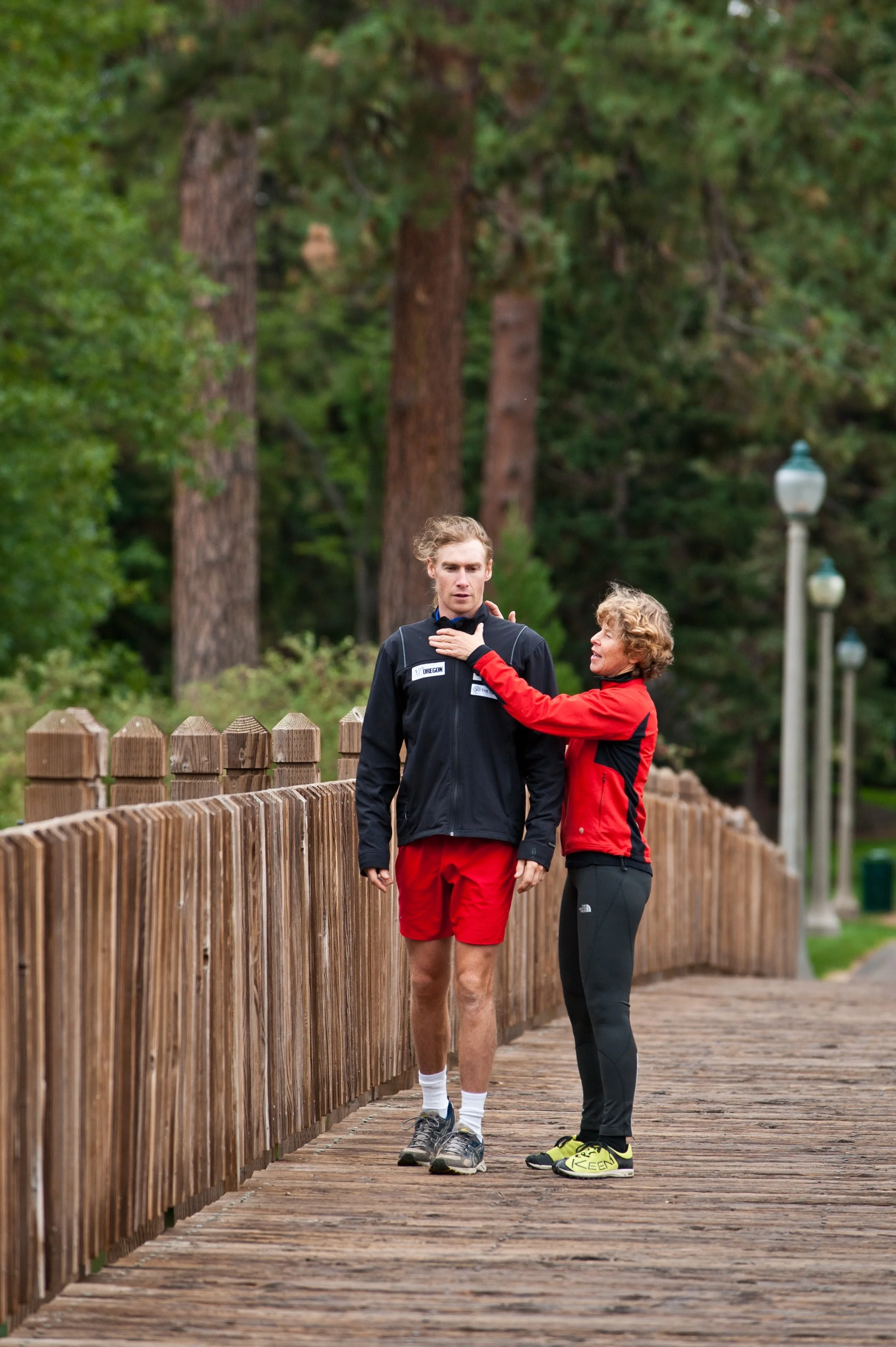
Through a combination of gentle, guiding touch and verbal instruction, an Alexander Technique teacher helps you notice where you're holding unnecessary tension and shows you how to let it go. Over time, you develop better coordination, easier posture, freer breathing, and more efficient movement — skills you can apply to everything from working at a desk to playing sports, making music, or simply going about your day.
People of all ages and backgrounds study the Alexander Technique — from those seeking relief from chronic back or neck pain to athletes, musicians, dancers, and actors looking to enhance their performance. Research published in peer-reviewed journals — including studies highlighted by Harvard Health — has shown benefits for conditions like chronic back pain, neck pain, and Parkinson's disease.
At Learning to Move, Cathy Pollock teaches the Alexander Technique in Driggs, Victor, and throughout Teton Valley, Idaho and Alta, Wyoming — helping clients discover lasting ease, improved function, and greater enjoyment in the activities they love.
-
Alexander Technique lessons at Learning to Move are typically one hour in length. An introductory session is 30 minutes, giving you enough time to experience the work and see if it's a good fit for you.
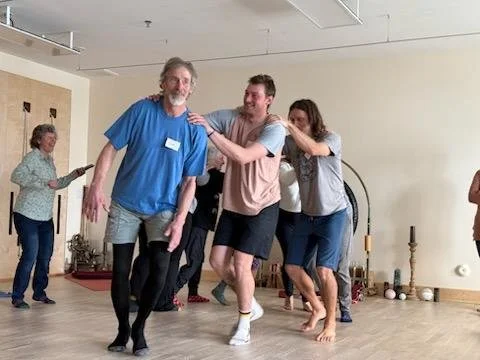
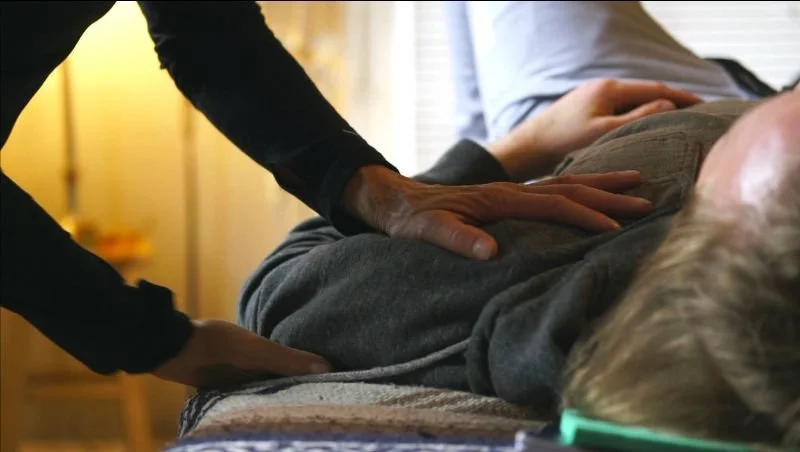
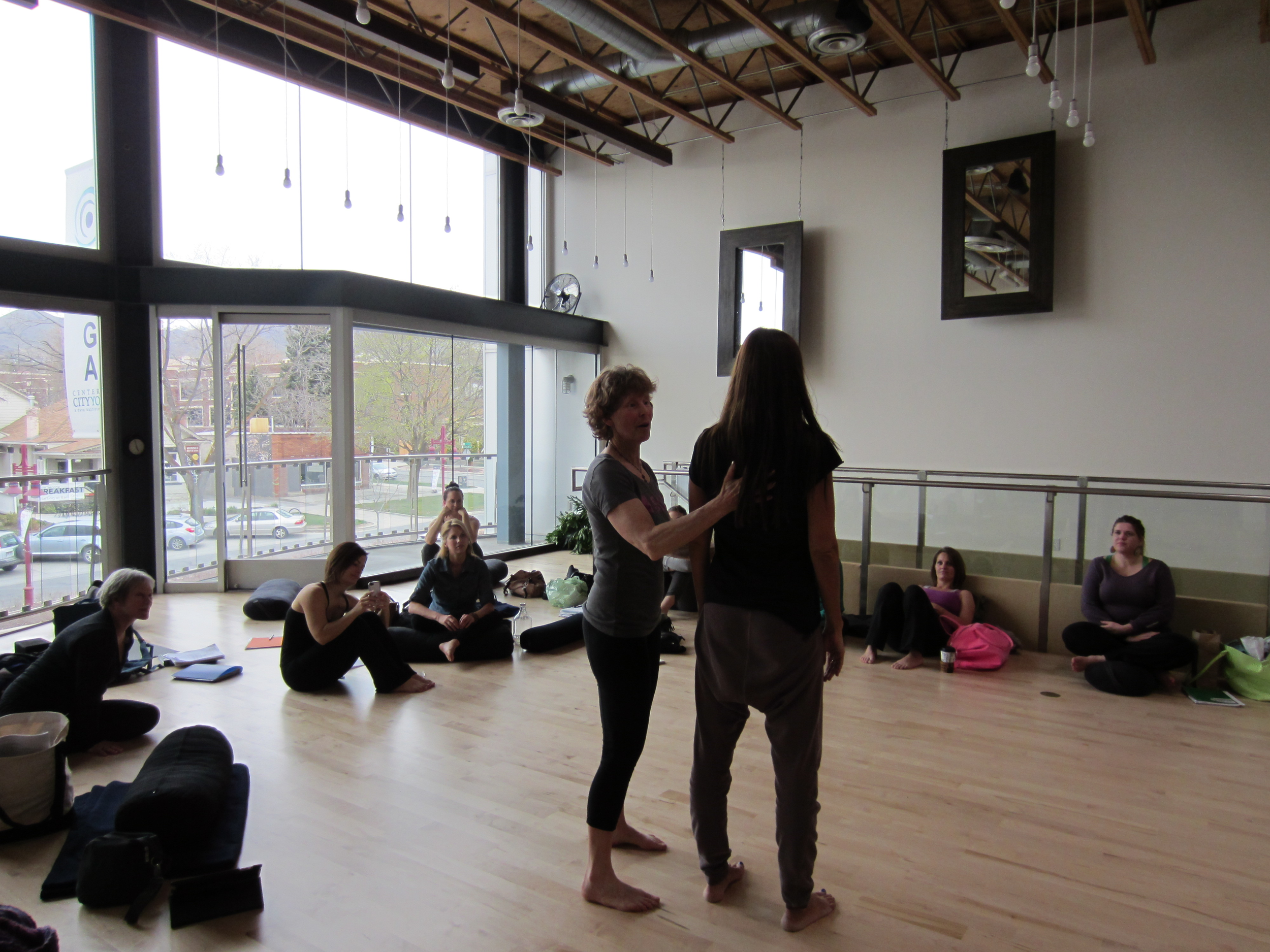
During a lesson, Cathy uses a combination of gentle, hands-on guidance and verbal instruction to help you become aware of tension patterns and discover easier ways of moving. Lessons may include work while sitting, standing, walking, and lying on a padded table — all fully clothed. You won't be asked to do strenuous exercises. Instead, you'll explore everyday movements with a new level of awareness.
Many people notice a difference in how they feel after their very first session — often describing a sense of lightness, ease, or feeling more grounded.
-
Wear comfortable clothing that allows you to move freely — think yoga pants, leggings, or loose-fitting pants and a long-sleeved shirt. Avoid restrictive clothing like stiff jeans or tight belts, as lessons involve gentle movement in sitting, standing, walking, and lying down.
You won't need any special equipment — just a willingness to learn something new about how you move. Lessons take place in a comfortable studio setting at 55 S Main St. in Driggs, Idaho.
-
The number of Alexander Technique lessons you'll need depends on your individual goals and the habits you're working to change. The most effective way to learn the skills that create long-lasting, positive changes is to commit to regular, weekly sessions, with 8 to 10 lessons as a minimum starting point.
It's important to remember that it has taken you many years to acquire your current habits of tension and movement, so it may take 8–20 hours of lessons to turn things around and establish new patterns of easy, balanced movement. Your brain is learning to change throughout the process of unlearning old habits. Once the new information is practiced and experienced as a healthier, easier way to move, the old patterns will fade away.
Some people continue lessons beyond their initial series because they enjoy the ongoing benefits and want to apply the technique to new activities or challenges. Bundle discounts are available with pre-payment — visit our Rates page for details.
-
Currently, most insurance companies do not cover Alexander Technique lessons, and Learning to Move does not bill insurance directly. While some practitioners in other regions have had limited success with reimbursement, it typically requires excessive time and effort with rare results.
That said, many clients find that the skills they gain — reduced pain, improved posture, better daily functioning — represent a lasting investment in their health and well-being. Unlike treatments that require ongoing visits, the Alexander Technique teaches you self-care skills you can use for the rest of your life. Bundle discounts are available for those who pre-pay for a series of lessons.
-
No — the Alexander Technique is fundamentally different from these approaches, though it can complement them beautifully.
Physical therapy typically focuses on strengthening, stretching, and rehabilitating specific injuries through prescribed exercises. Massage works directly on muscle tissue to release tension. Chiropractic focuses on spinal alignment through manual adjustments.
The Alexander Technique is an educational method, not a treatment. Rather than fixing a specific problem from the outside, it teaches you to become aware of the habitual patterns of tension and movement that may be contributing to your pain or limitation — and gives you the tools to change those patterns yourself. Cathy doesn't "do something to" you; she works in partnership with you to help you understand and change how you use your body in everything you do.
Think of it this way: physical therapy might strengthen a weak muscle, but the Alexander Technique helps you understand why that muscle became strained in the first place — and how to stop recreating the problem. Many clients find that combining Alexander Technique lessons with other modalities leads to faster, more lasting results.
-
Almost anyone can benefit from learning the Alexander Technique. You don't need to be in pain or have a specific condition to gain value from lessons — though many people do come to the technique seeking relief.
Common reasons people study the Alexander Technique include:
Chronic pain relief — especially back pain, neck pain, shoulder tension, and headaches
Improved posture — learning to sit and stand with ease rather than strain
Enhanced athletic performance — skiers, cyclists, runners, horseback riders, and other athletes use the technique to move more efficiently and reduce injury
Musical and performing arts — singers, instrumentalists, actors, and dancers use it to improve breath, vocal production, stage presence, and precision of movement
Stress and tension management — learning to recognize and release habitual tension patterns that accumulate over time
Workplace comfort — office workers, medical professionals, and anyone who sits or stands for long periods
Aging well — older adults use the technique to improve balance, mobility, and confidence in movement
Here in Teton Valley, Idaho, Cathy works with clients who want to bring more ease and awareness to the outdoor activities they love — from backcountry skiing and cycling to hiking, horseback riding, and gardening. Whether you're a competitive athlete or someone who simply wants to move through daily life with less strain, the Alexander Technique can help.
-
Yes — back pain and neck pain are among the most common reasons people seek out Alexander Technique lessons, and the evidence supports its effectiveness.
A landmark study published in the British Medical Journal (the ATEAM trial) found that Alexander Technique lessons led to significant, long-term reductions in back pain. A separate randomized controlled trial published in the Annals of Internal Medicine (the ATLAS trial) showed that Alexander Technique lessons produced meaningful reductions in chronic neck pain over 12 months compared to usual care alone.
The technique addresses pain not by treating symptoms directly, but by helping you identify and change the habitual patterns of tension, posture, and movement that contribute to pain in the first place. Many clients in Teton Valley come to Cathy after years of trying other approaches and are surprised by how much relief they experience when they learn to let go of effort they didn't even realize they were using.
If you're dealing with chronic back pain or neck pain in the Driggs, Victor, or Alta area, an introductory session is a great way to see how the Alexander Technique might help.
-
Your first visit to Learning to Move is a 30-minute introductory session designed to give you a taste of the work and help you decide if it's a good fit.
Cathy will begin by asking about your goals — what brought you in, any pain or limitations you're experiencing, and the activities you'd like to improve. Then she'll observe how you move in simple, everyday activities like sitting, standing, and walking. Using gentle hands-on guidance and verbal cues, she'll help you begin to notice where you're holding unnecessary tension and show you what it feels like to let it go.
Most people are surprised by how different they feel after even this brief session. Common responses include feeling lighter, taller, more relaxed, and more aware of how they've been holding themselves. There's no pressure to commit to a full series of lessons — the introductory session is simply an opportunity to experience the Alexander Technique for yourself.
To schedule your introductory session, visit our Contact page or call Cathy at 801-230-7661.
-
Cathy Pollock teaches Alexander Technique lessons at the Learning to Move studio located at 55 S Main St., Driggs, Idaho 83422. She serves clients from throughout Teton Valley, including Driggs, Victor, and Tetonia in Idaho, as well as Alta and the surrounding areas of Teton County, Wyoming.
Whether you live in town or are visiting the Teton Valley area, private lessons and group sessions are available. Contact Cathy at 801-230-7661 or visit the Contact page to schedule.
-
The Alexander Technique isn't about adding exercises to your daily routine — it's about changing how you do the things you already do. That said, there is a foundational practice that many students find helpful between lessons.
Constructive Rest (also called "Active Rest" or "semi-supine") is a simple practice you can do at home in about 10–15 minutes. You lie on your back on a firm surface with your knees bent, feet flat on the floor, and your head supported by a small stack of books. This position allows your spine to decompress and your muscles to release accumulated tension. Cathy will teach you this practice during your lessons and guide you on how to use it effectively.
Beyond Constructive Rest, the real "homework" is awareness. As you progress in your lessons, you'll start to notice your habitual patterns throughout the day — while driving, working at a computer, cooking, or exercising — and apply what you've learned to move with more ease. The beauty of the Alexander Technique is that it's not a separate activity you have to make time for; it becomes part of how you live.
-
Cathy Pollock is an AmSAT-certified teacher of the Alexander Technique with over 30 years of teaching experience. She completed her 1,600-hour teacher training course in Chico, California in 1994 — a rigorous program spanning a minimum of three years, as required by the American Society for the Alexander Technique (AmSAT). From 2018 to 2020, she served as co-director of her own Alexander Technique teacher training course in Salt Lake City, Utah.
Over the course of her career, Cathy has taught thousands of private students and groups ranging from 8 to 400 people. Her students have included musicians (including children's music groups), vocalists, runners, dancers, cyclists, skiers, office workers, medical professionals, seniors, and many others.
Cathy's personal journey to the Alexander Technique began through her study of Aikido, a Japanese martial art. A training partner who had just completed her own Alexander Technique teacher training introduced Cathy to the work, and the experience was transformative. As a lifelong athlete — having grown up playing soccer, skiing, cycling, skateboarding, and studying ballet — Cathy had developed a pattern of using too much force and effort in everything she did, which often led to injuries. The Alexander Technique taught her to replace that excess effort with flow, grace, directed strength, and better coordination.
Today, Cathy continues to apply the technique to her own active life, particularly backcountry skiing and cycling, and augments her practice with meditation. She brings this deep personal experience — along with her decades of professional expertise — to every lesson at Learning to Move.
-
While yoga, Pilates, and the Alexander Technique all promote body awareness and improved movement, they work in fundamentally different ways.
Yoga and Pilates are exercise-based practices — they involve specific poses, stretches, or movements that you perform during a class or session. The Alexander Technique, by contrast, is not an exercise method. It's an educational process that teaches you to become aware of how you move and hold tension in any activity — including yoga and Pilates.
In fact, many yoga and Pilates practitioners study the Alexander Technique to improve the quality of their practice. By learning to release unnecessary tension and use their bodies more efficiently, they often find they can go deeper into poses, avoid strain, and get more benefit from their workouts.
The Alexander Technique applies to everything you do — how you sit at your desk, how you walk, how you ski, how you pick up your child. It's not something you practice for an hour a day; it's a way of moving through your entire life with greater ease and awareness.
-
Absolutely. Children and teenagers can benefit enormously from learning the Alexander Technique, especially as they navigate growth spurts, increased screen time, heavy backpacks, sports, and the physical demands of learning musical instruments.
Young people tend to learn the technique quickly because they haven't had as many years to accumulate habitual tension patterns. Cathy has experience teaching children's music groups and young performers, and she adapts her teaching approach to be engaging and age-appropriate.
If your child is dealing with posture concerns, performance anxiety, sports-related strain, or simply wants to move with more ease and confidence, Alexander Technique lessons can provide tools they'll use for the rest of their lives.
-
Getting started is simple. The best first step is to book a 30-minute introductory session with Cathy. This gives you a chance to experience the Alexander Technique firsthand, ask questions, and decide if it's the right fit for you.
You can schedule by visiting the Contact page on our website, or by calling Cathy directly at 801-230-7661. Learning to Move is located at 55 S Main St., Driggs, Idaho 83422, serving Teton Valley, Idaho and the surrounding areas including Victor, Tetonia, and Alta, Wyoming.
No prior experience or preparation is needed — just come as you are.